






Unlacquered Choices for Kitchens and Baths
Faucets, knobs, and rails in unlacquered brass evolve beautifully, especially against soapstone and walnut. Expect early fingerprints, then a mellowing to deep honey and bronze tones. Installers should handle with gloves to avoid blotches, but life will equalize. Consider patina-ready finishes from reputable foundries and match screw finishes to avoid jarring highlights. In wet zones, a light wax slows spotting while preserving breathability. Paired with linen towels and stone sinks, these details create understated harmony that rewards daily rituals with warmth.

Hardware as Jewelry, Without the Shine
Hardware frames your touchpoints. Choose weighty, quiet forms: knurled bronze that whispers grip, pebbled pulls cast in sand, or hand-hammered plates with subtle facets. The goal is tactile pleasure, not sparkle. Scale matters; oversized pulls reduce visual clutter by simplifying alignment and sightlines. Coordinate across rooms, yet allow slight finish variation for depth. Readers often start with a single door set and then commit broadly after living with the feel. Share yours, including makers who balance ergonomics with lived-in beauty.

Aging with Intention: Maintenance Rituals
Living metals reward gentle, periodic attention. Keep a dedicated cloth and a neutral wax for seasonal buffing. Treat water spots early, but accept soft halos that add dimension. Reserve aggressive polish for rare resets, understanding it erases history. Label products clearly to prevent harsh cleaners from removing patina. In shared households, teach simple steps so everyone participates. These small rituals transform maintenance into ceremony, reinforcing how your hardware, like good leather, becomes more personal and refined as years accumulate quietly.

Linen, Wool, and Jute Underfoot
Layer textures rather than colors. A tight jute base anchors the room; a wool rug on top adds spring and temperature comfort; linen drapery completes the envelope with soft sway. Choose undyed fibers for dimensional neutrals that photograph beautifully and calm busy spaces. Vacuum gently with a brushless head and rotate seasonally to distribute wear. Readers report that this layering strategy outlasts bold patterns, allowing art, books, and life to provide interest. Share your combinations and care routines so others can learn confidently.
Clay, Terracotta, and Handmade Ceramics
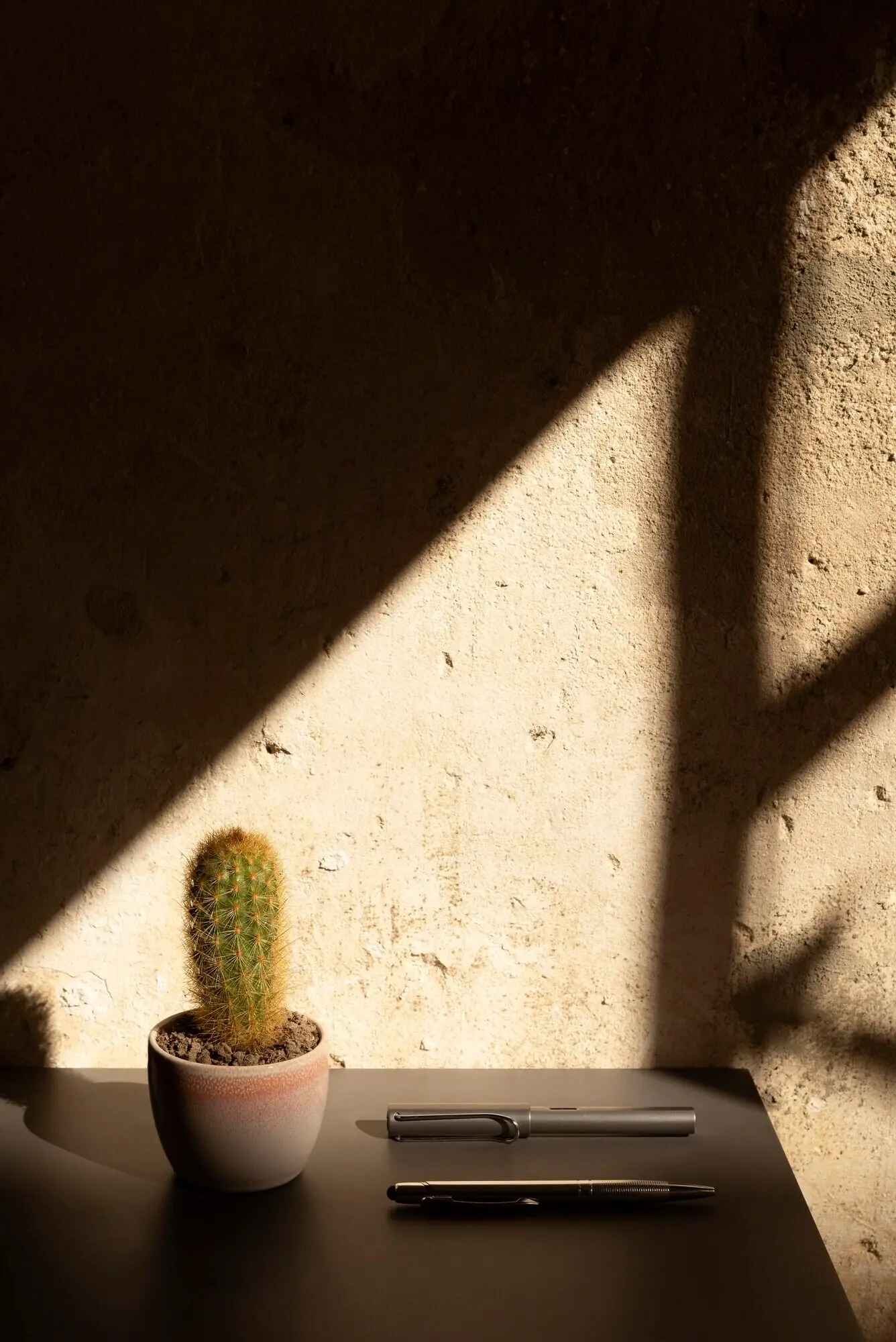
Handmade vessels carry the maker’s breath in slight variations that mass-produced pieces cannot replicate. A terracotta cachepot on a windowsill, a stoneware bowl by the entry, or a clay lamp base adds earthy gravity. Sealed interiors handle moisture; exteriors can remain matte for tactile contrast. Group pieces by tone, not perfect match, to create rhythm. Support local potters and small studios, and tell us which glazes pair best with your wood and stone palette. These humble accents quietly elevate daily rituals.
Lighting with Warmth: Alabaster and Paper
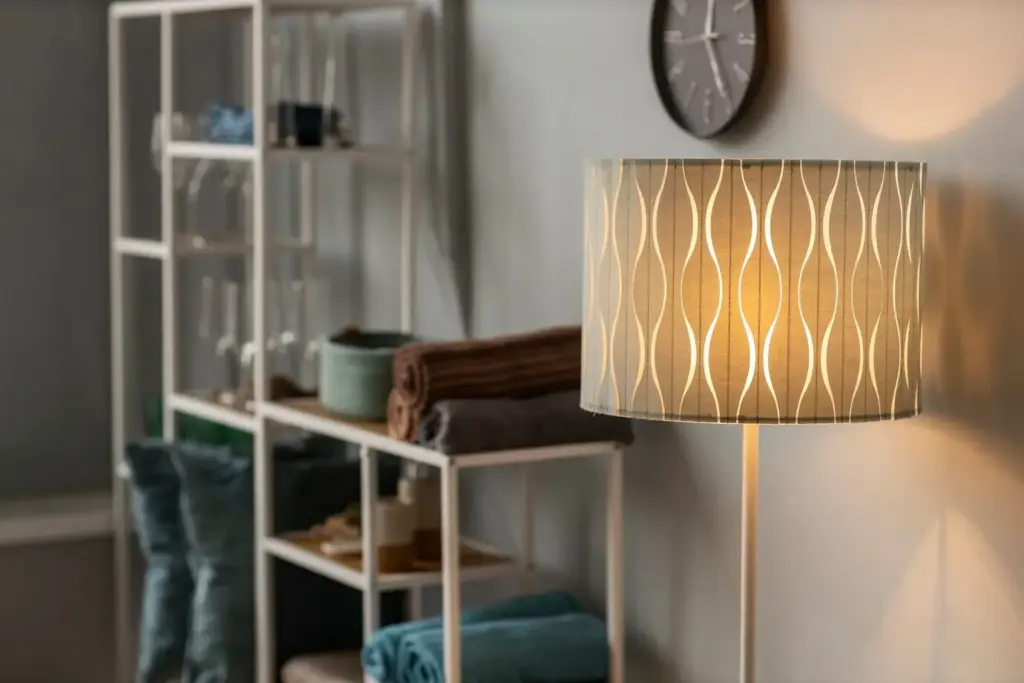
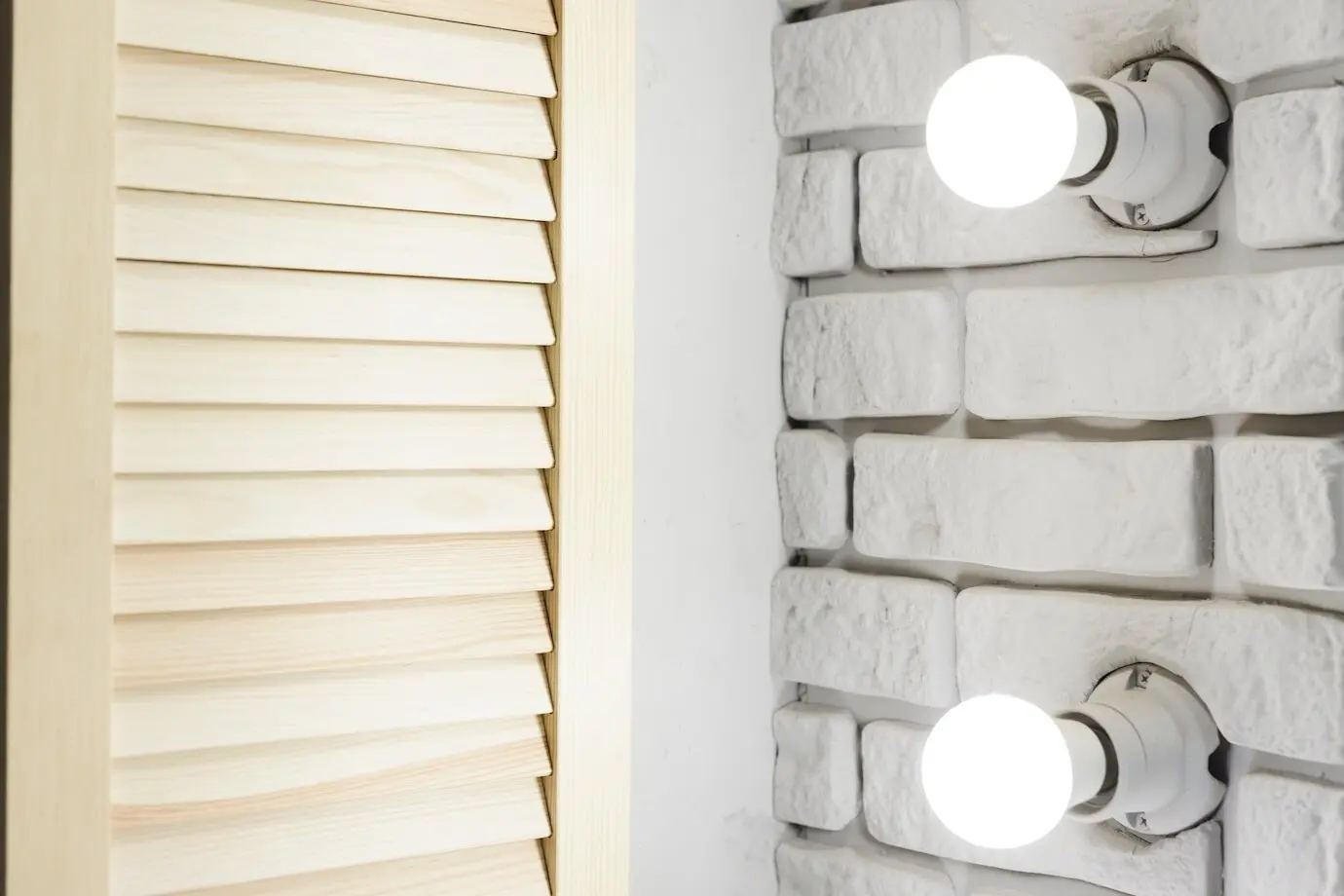
Light defines mood. Alabaster shades produce clouded, mineral glow with soft veining that harmonizes with stone counters and plaster walls. Rice paper lanterns offer featherweight diffusion at friendly price points, ideal for bedrooms and dining. Specify warm-white lamps and dimmers to avoid cold glare. Combine task and ambient layers, and consider low, grazing fixtures that celebrate texture over sparkle. Share photos of how you balanced illumination with restraint, and subscribe for upcoming deep dives on color temperature and beam spread choices.